
Signs Your Boiler Needs Replacing
Boilers rarely fail without warning. These are the signs worth acting on before a breakdown leaves you without heating or hot water.
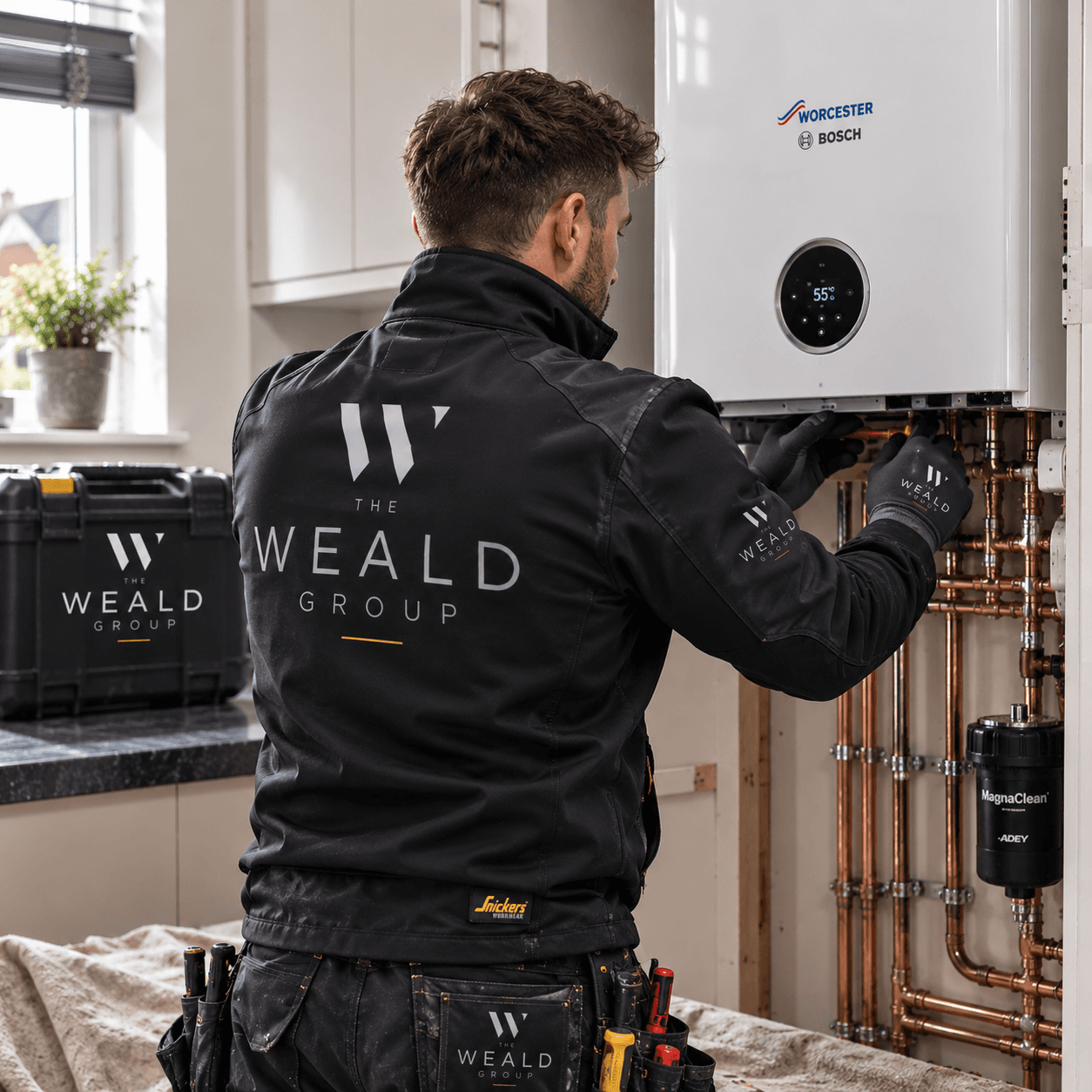
Short answer: frequent breakdowns, rising energy bills for the same usage, unusual noises, an ageing appliance no longer supported by spare parts, and a failed annual service are the clearest signs a boiler needs replacing rather than repairing again.
Signs worth acting on
- Repeated breakdowns: if an engineer has visited more than once or twice in a year for unrelated faults, repair costs can quickly approach the cost of replacement.
- Rising bills for the same usage: declining efficiency often shows up as higher gas bills without a change in how the heating is used.
- Age and parts availability: many boilers are designed for a working life of around ten to fifteen years; older models can become harder to source spare parts for.
- Unusual noises: banging, whistling or gurgling can indicate a failing heat exchanger, pump or trapped air, and are worth a professional diagnosis.
- Yellow rather than blue flame: on appliances where the flame is visible, this can indicate incomplete combustion and should be checked urgently by a Gas Safe registered engineer.
- Failed annual service or safety check: if an engineer flags a safety issue during a service, this takes priority over any cost comparison.
Repair or replace?
A single, low-cost fault on an otherwise reliable, efficient boiler is often worth repairing. A pattern of faults, a boiler nearing or past its expected working life, or a safety concern generally points toward replacement. We can assess a specific appliance and give a straightforward recommendation rather than defaulting to either option.
A safety note
If you smell gas, or suspect a carbon monoxide leak (headaches, dizziness or nausea that ease when you leave the property, or a working carbon monoxide alarm sounding), leave the property, do not use switches or naked flames, and call the National Gas Emergency Service on 0800 111 999 immediately.
Planning and Building Regulations rules are set nationally but applied locally, and they change from time to time. This article reflects general guidance correct at the time of publication — always confirm the current position for your specific property with your local planning authority or at gov.uk and the Planning Portal before relying on it.
Talk to us about your project
Tell us about the property and what you have in mind. We'll arrange a site visit and provide a written, itemised quotation.