
Permitted Development Rights Explained
Permitted development lets you carry out certain building work without a full planning application — but the limits are specific and easy to misjudge. Here's what the rules generally cover.
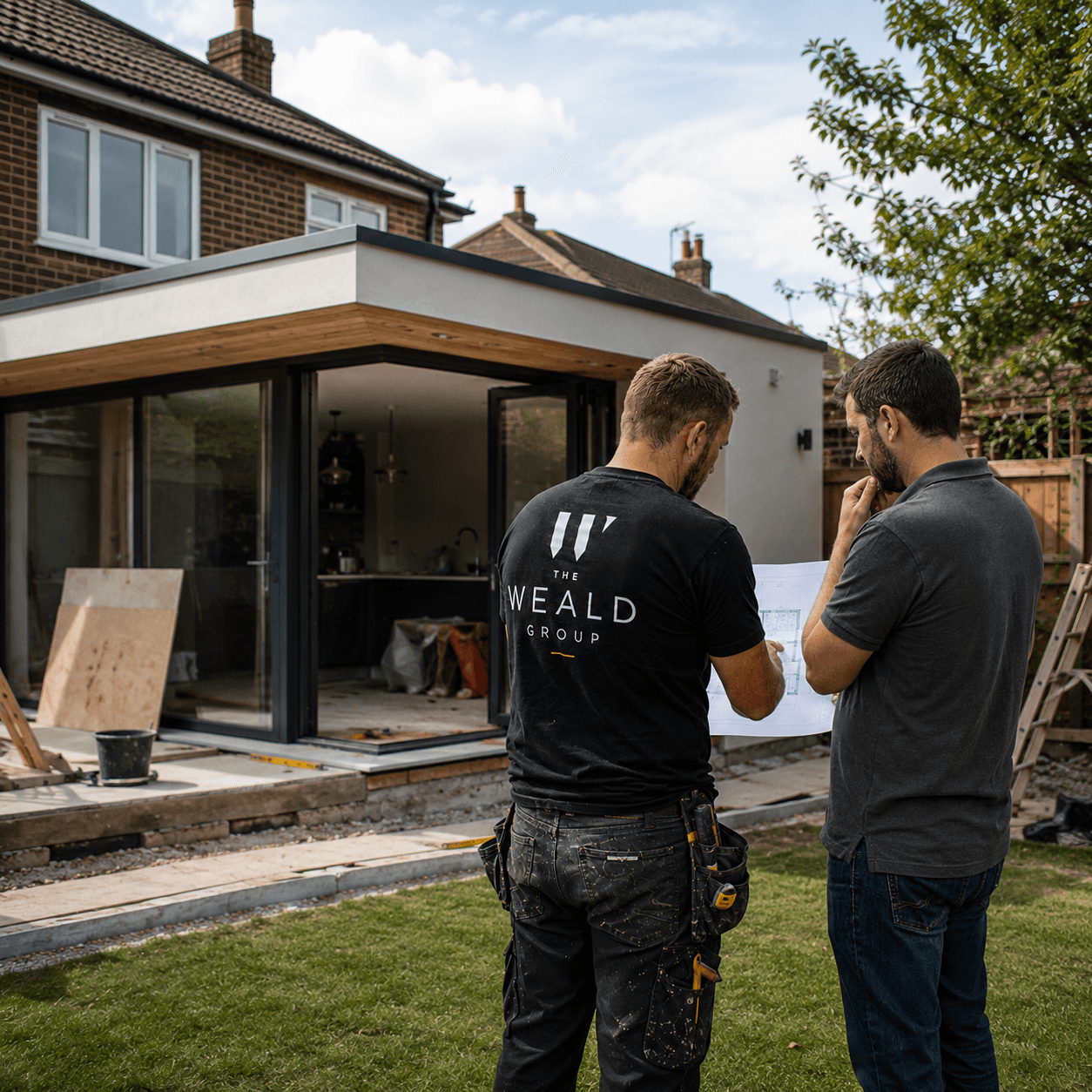
Short answer: permitted development is a national grant of planning permission for specific, limited types of house alterations — including many single-storey rear extensions and loft conversions — but it comes with size, height and position limits, and does not apply to every property.
What generally falls under permitted development
Common examples include single-storey rear extensions up to set depth and height limits, some loft conversions within volume limits that do not extend beyond the existing roof plane at the front, and certain outbuildings. Exact limits depend on house type (detached, semi-detached or terraced) and whether earlier extensions have already used up the available allowance.
What is excluded
- Flats, maisonettes and most non-residential buildings
- Listed buildings, for most types of alteration
- Properties in conservation areas, National Parks and National Landscapes, where some rights are restricted
- Properties subject to an Article 4 direction removing specific permitted development rights
- Extensions or additions that would exceed the cumulative volume already used by previous extensions
Lawful Development Certificates
Even where work appears to qualify as permitted development, you can apply to your local authority for a Lawful Development Certificate, which provides written confirmation that the completed or proposed work is lawful. This is often worthwhile before selling a property, or for a client's own peace of mind on a larger project.
How this affects your project timeline
Permitted development generally removes the several-month wait for a planning decision, but does not remove the need for Building Regulations approval, which applies regardless of the planning route. We confirm the correct route for your specific property and proposal at feasibility stage.
Planning and Building Regulations rules are set nationally but applied locally, and they change from time to time. This article reflects general guidance correct at the time of publication — always confirm the current position for your specific property with your local planning authority or at gov.uk and the Planning Portal before relying on it.
Talk to us about your project
Tell us about the property and what you have in mind. We'll arrange a site visit and provide a written, itemised quotation.