
Domestic electrical work carried out by qualified electricians
Electrical Services
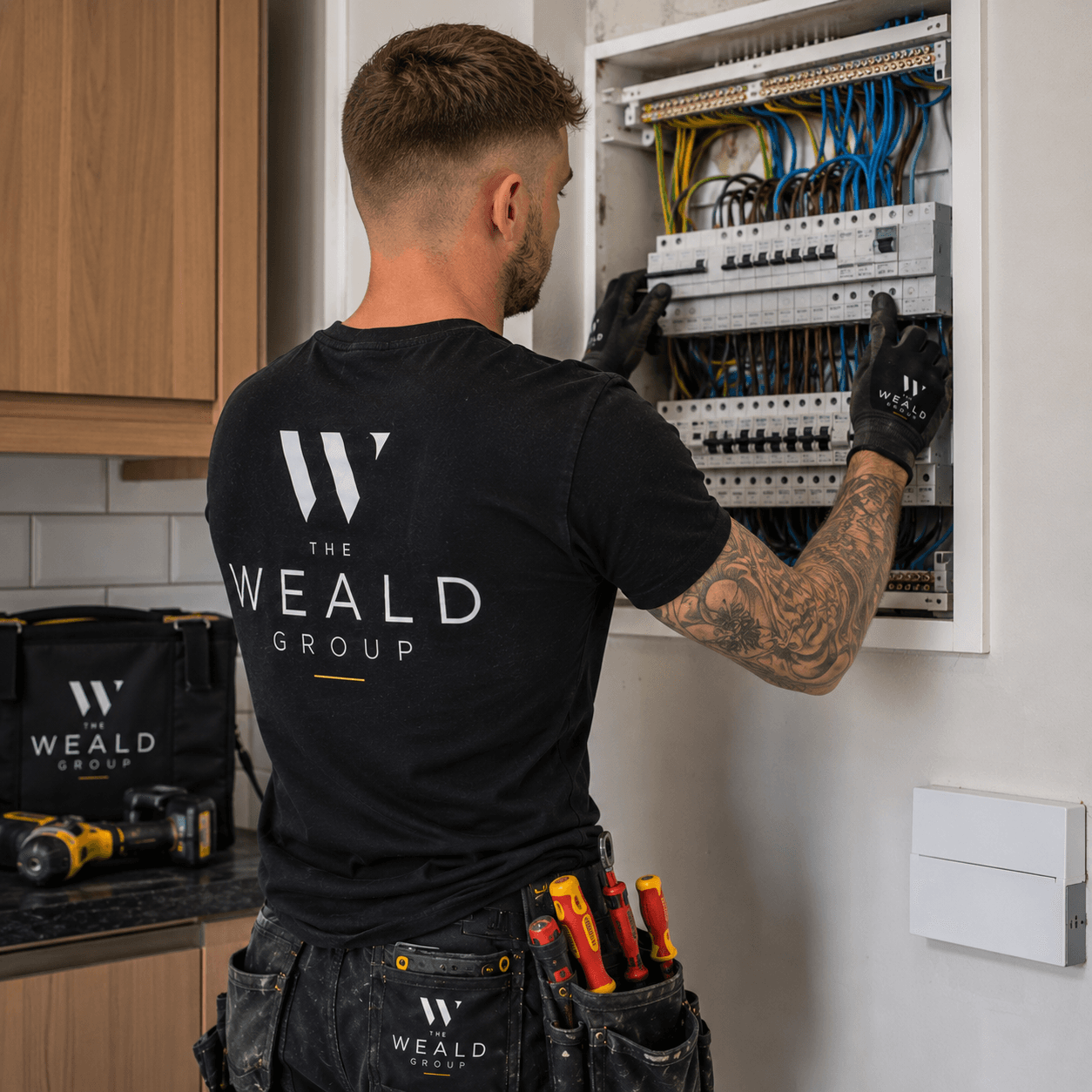
Electrical services cover rewiring, consumer unit replacement, new circuits, socket and lighting additions and general electrical repairs in the home, carried out by electricians qualified to BS 7671 (the UK wiring regulations) and certified through a competent person scheme.
Definition
What Electrical covers
Domestic electrical work spans everything from a single additional socket to a full house rewire, and includes consumer unit (fuse box) upgrades, circuit additions for kitchens, extensions or outbuildings, and fault-finding. Certain work — a full rewire, a new circuit, or a consumer unit change — falls under Part P of the Building Regulations and must be notified to Building Control, either directly or via a registered electrician's self-certification scheme.
Suitable for
- Older properties with outdated wiring or a fuse box rather than a modern consumer unit
- Additional sockets, lighting circuits or outdoor power as part of a wider project
- Extensions, loft conversions and kitchen refits needing new circuits
- Landlords needing an Electrical Installation Condition Report (EICR)
Not suitable for
- Work you intend to carry out yourself and simply want signed off — a qualified electrician needs to carry out notifiable work directly to certify it
- Emergency total loss of power, which is a matter for your Distribution Network Operator, not a domestic electrician
Process
How the work is carried out
- 01
Assessment
Reviewing the existing installation, consumer unit and what the new work needs to achieve.
- 02
Specification
Agreeing circuit layout, socket and lighting positions, and consumer unit requirements.
- 03
Installation
Carrying out first and second fix wiring to current standards.
- 04
Testing
Full testing and inspection against BS 7671 before anything is energised.
- 05
Certification
Issuing an Electrical Installation Certificate and, for notifiable work, Building Control notification via a competent person scheme.
Typical timescale
A few additional sockets can be a single day; a full rewire of an average house typically takes one to two weeks including making good. Confirmed after a site assessment.
Cost guidance
General electrical work in our area is typically charged at £40–£60 per hour (or £220–£350 per day), with a full rewire of a 3-bed house typically £3,000–£6,500. Cost depends heavily on the scope, the age and accessibility of existing wiring, and whether walls and floors need opening up, so an itemised quotation follows a site visit rather than a generic day rate.
Limitations and exclusions
- Making good of plaster, decoration and flooring disturbed by cable routes is quoted separately unless specifically included
- Work on the supplier's service head or meter is a matter for your electricity distributor, not a domestic electrician
- Any faults found once walls are opened up are priced and agreed before proceeding
Areas we cover
Electrical across Sussex, Surrey, Kent and South London
Local property styles, planning authorities and neighbourhood coverage for electrical in each town we work in.
Evidence
Related projects

Related services
You may also need
FAQs
Electrical FAQs
Do I need Building Control approval for electrical work?
Notifiable work — such as a full rewire, a new circuit, or a consumer unit change — must be notified under Part P of the Building Regulations. A registered electrician can self-certify this through a competent person scheme rather than a separate Building Control application.
How often should a consumer unit be replaced?
There's no fixed replacement interval, but an old fuse box without RCD protection is a common finding on an EICR and is usually recommended for upgrade. We assess the existing unit as part of any electrical survey.
What's the difference between an EICR and a rewire?
An EICR (Electrical Installation Condition Report) is an inspection that assesses the safety of your existing wiring and flags any defects — it doesn't fix anything itself. A rewire is the remedial work, replacing cabling, accessories and the consumer unit where the report (or your own judgement on an older installation) shows it's needed.
Can electrical work be done in stages, room by room?
For a rewire, yes, we can phase it by floor or room if you need to keep parts of the house usable, though it usually extends the overall programme compared with doing it in one continuous run. We agree the sequencing with you before work starts.
Discuss your electrical project
Tell us about the property and what you have in mind, and we'll arrange a site visit.
Last reviewed 2026-07-19.