
Smoke, heat and carbon monoxide alarm installation
Fire and Smoke Alarms
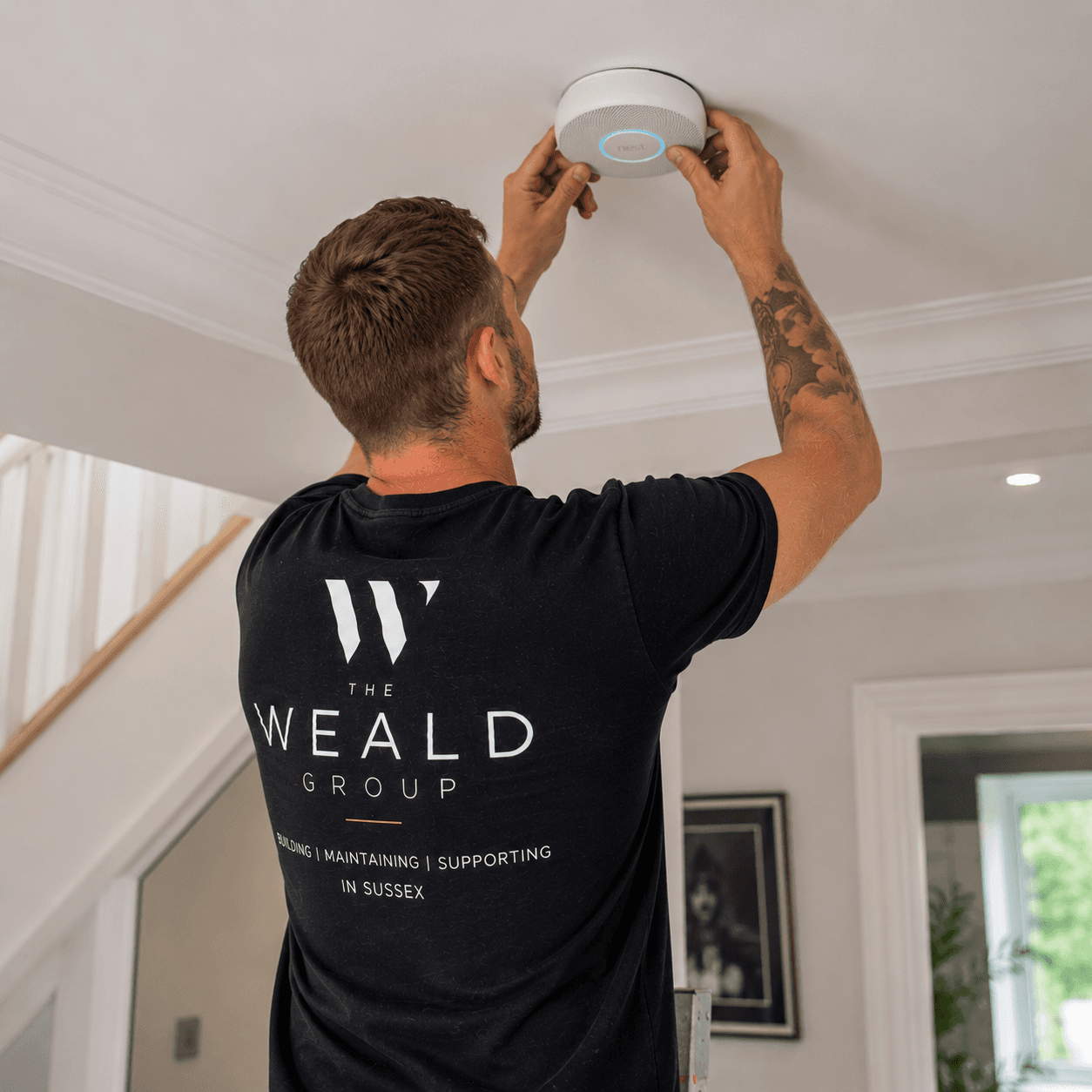
Fire and smoke alarm installation covers fitting interlinked smoke alarms, heat alarms and carbon monoxide detectors to current standards (BS 5839-6), for homeowners and landlords meeting their legal alarm requirements.
Definition
What Fire & Smoke Alarms covers
Domestic fire detection uses smoke alarms in hallways and living areas, heat alarms in kitchens (where smoke alarms would give frequent false alarms), and carbon monoxide alarms near fuel-burning appliances. Landlords in England are legally required to have a working smoke alarm on every storey and a carbon monoxide alarm in any room with a fuel-burning appliance.
Suitable for
- Landlords meeting legal smoke and carbon monoxide alarm requirements
- Homeowners upgrading to interlinked mains-wired alarms
- Alarm installation as part of a renovation or extension
Not suitable for
- Commercial fire alarm systems requiring a full BS 5839-1 design, which is a more extensive specialist system than domestic alarm installation
Process
How the work is carried out
- 01
Assessment
Reviewing the property layout and current alarm provision against required standards.
- 02
Specification
Agreeing alarm type and positions — smoke, heat and carbon monoxide as appropriate to each room.
- 03
Installation
Fitting and interlinking alarms, mains-wired with battery backup where specified.
- 04
Testing
Testing each alarm and the interlink system.
- 05
Documentation
Providing certification confirming the installation meets current standards.
Typical timescale
A standard house alarm installation is typically completed within a day.
Cost guidance
A mains-wired smoke or heat alarm in our area typically costs £60–£120 each, with a fully interlinked system £200–£500. Cost depends on the number of alarms and whether mains wiring is needed, so an itemised quotation follows a property assessment.
Limitations and exclusions
- This covers domestic alarm installation; commercial fire alarm systems need a full BS 5839-1 specialist design
- Ongoing alarm testing and battery replacement (for battery-only alarms) remains the occupier's responsibility after installation
Areas we cover
Fire & Smoke Alarms across Sussex, Surrey, Kent and South London
Local property styles, planning authorities and neighbourhood coverage for fire & smoke alarms in each town we work in.
Related services
You may also need
FAQs
Fire & Smoke Alarms FAQs
What are landlords legally required to have?
In England, landlords must have at least one working smoke alarm on every storey of a rental property, and a carbon monoxide alarm in any room with a fuel-burning appliance such as a boiler or gas fire. We install to meet these requirements and can advise on the current regulations for your property.
Discuss your fire & smoke alarms project
Tell us about the property and what you have in mind, and we'll arrange a site visit.
Last reviewed 2026-07-19.